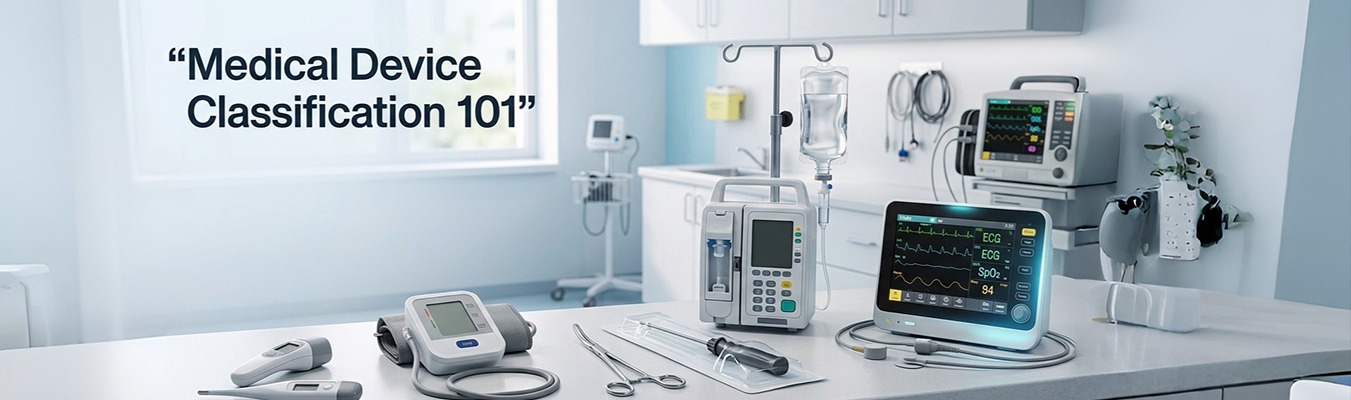
Understanding Europe’s New Medical Device Rules!
The European medical device market is evolving fast, and compliance is no longer optional —it’s mission-critical. The EU Medical Device Regulation (MDR) and In Vitro Diagnostic Regulation (IVDR) introduce stricter rules to ensure safety, performance, and transparency. Whether you manufacture medical devices or in vitro diagnostics, understanding EU MDR vs. IVDR is essential to avoid costly delays and maintain market access. Let’s break down the key differences and explore practical compliance strategies to stay competitive in this highly regulated landscape.
EU MDR and IVDR –Explained
The EU Medical Device Regulation (MDR) covers a wide range of medical devices including implants, instruments, and healthcare software —while the In Vitro Diagnostic Regulation (IVDR) focuses exclusively on diagnostic products like lab equipment and test kits. Both share the same mission: protecting patients, strengthening post-market surveillance, and improving transparency across Europe’s healthcare system. For manufacturers, understanding these evolving regulations is essential to keep market access, achieve smooth compliance, and stay competitive in Europe’s tightly controlled medical device and diagnostics landscape.
Key Differences Between MDR and IVDR
1. Scope and Product Coverage
Which Products Fall Under MDR and IVDR?
MDR regulates all medical devices and accessories, from surgical tools to healthcare software. IVDR, on the other hand, zeroes in on in vitro diagnostic devices but dramatically widens its net compared to the old IVDD, bringing more diagnostic tests under strict EU medical regulations.
2. Classification System
How Devices Are Classified Under Each Regulation
MDR uses a risk-based Class I–III structure for medical devices, while IVDR introduces a new A–D classification system. This fresh framework brings tighter oversight, especially for high-risk diagnostics, ensuring only the safest and most reliable products reach the EU market under clear, risk-driven categories.
3. Clinical Evidence Requirements
Proof and Data Needed for Compliance
To prove safety and performance, MDR calls for detailed clinical evaluations. IVDR raises the stakes by requiring both analytical and clinical performance data, demanding stronger proof of test accuracy and reliability—making EU in vitro diagnostic compliance more rigorous and data-intensive than ever.
4. Notified Body Involvement
The Role of Notified Bodies in Approvals
More devices now need a Notified Body review under MDR, but IVDR goes even further. Nearly 80% of IVDs must undergo external assessment, creating higher demand for Notified Body engagement and making early scheduling critical to avoid costly certification delays.
5. Transitional Periods
Compliance Deadlines and Transition Timelines
MDR deadlines are largely in effect, while IVDR offers a staggered transition period. Even so, legacy diagnostic products face tight timelines to meet new EU standards, making proactive planning essential to protect market access and ensure smooth regulatory compliance.
Compliance Strategies for MDR and IVDR
Navigating EU MDR and IVDR regulations can feel like a maze, but a sharp strategy puts you firmly in the driver’s seat. Proactive preparation helps avoid market delays, reduce risks, and secure faster approvals. By focusing on key strategies from early planning to post-market checks —you can stay ahead of changing requirements and keep your products safely on the EU market.
Gap Assessment
Spot the gaps before they spot you.
Begin with a detailed gap assessment to uncover missing documents, testing, or clinical data. Identifying shortfalls early gives you a clear action plan, helping your team meet MDR and IVDR requirements without scrambling at the last minute.
Early Notified Body Engagement
Book your review before the rush.
Notified Bodies are in high demand, and review slots fill fast. Engaging them early secures your place, minimizes approval delays, and ensures your MDR or IVDR certification process moves forward without unexpected bottlenecks.
Clinical and Performance Evidence
Strong data builds stronger approvals.
Both MDR and IVDR demand solid proof of safety and effectiveness. Collect robust clinical evaluations and performance data early to satisfy EU regulators, strengthen submissions, and increase confidence in your product’s quality and reliability.
Regulatory Intelligence
Stay ahead by staying informed.
EU guidance evolves constantly. Tracking new regulations, technical updates, and compliance trends allows you to adjust strategies quickly, ensuring your MDR and IVDR plans remain accurate and fully aligned with the latest requirements.
Post-Market Surveillance
Watch your product even after launch.
Approval isn’t the finish line. Strong post-market surveillance systems detect risks in real time, allowing quick corrective actions and ensuring ongoing safety and performance across the MDR and IVDR product lifecycle.
Supply Chain Transparency
Your compliance is only as strong as your suppliers.
Every supplier in your chain must meet EU standards. Verifying their compliance protects approvals, prevents delays, and keeps products flowing smoothly to European markets without unexpected regulatory setbacks.
The Future of EU Device Regulations
Stricter safety rules, sharper transparency, and breakthrough innovation are definitely making it a more confident space, signaling a bold new era for EU medical device and in vitro diagnostic regulations. As the MDR and IVDR evolve, expect stricter post-market surveillance, advanced AI-driven compliance tools, and closer alignment with global regulatory standards. Companies that embrace proactive planning, real-time data monitoring, and strong clinical evidence will stay compliant, build market trust, and gain a competitive edge in Europe’s fast-changing medical device and in vitro diagnostic landscape.
Your Top EU MDR & IVDR Questions—Answered Clearly and Quickly
What is the main difference between MDR and IVDR?
MDR regulates medical devices, while IVDR specifically covers in vitro diagnostic tests. IVDR introduces a stricter risk-based classification and significantly expands product categories requiring Notified Body assessment.
Why is IVDR considered more challenging than the old IVDD?
IVDR demands extensive clinical and performance evidence, introduces new risk classes, and requires most IVDs to undergo Notified Body review —far stricter than the previous IVDD framework.
How should companies prepare for MDR and IVDR compliance?
Begin early by assessing regulatory gaps, engaging Notified Bodies, strengthening evidence collection, and implementing continuous post-market surveillance to avoid certification bottlenecks.
Do MDR and IVDR affect non-EU manufacturers?
Yes. Any company selling medical devices or diagnostics in the EU regardless of origin, must meet MDR or IVDR requirements and appoint an EU Authorized Representative.
Conclusion: Staying Compliant, Competitive, and Ready for What’s Next
The EU MDR and IVDR have redefined medical device and diagnostic regulations, raising the stakes for global manufacturers. Companies that invest in early planning, strong clinical evidence, and transparent supply chains can stay ahead of deadlines and maintain market access. Staying informed today is the smartest strategy for compliance tomorrow. Pharma Wizard is here to guide you with practical solutions and expert support to keep your compliance smooth, simple, and future-ready.