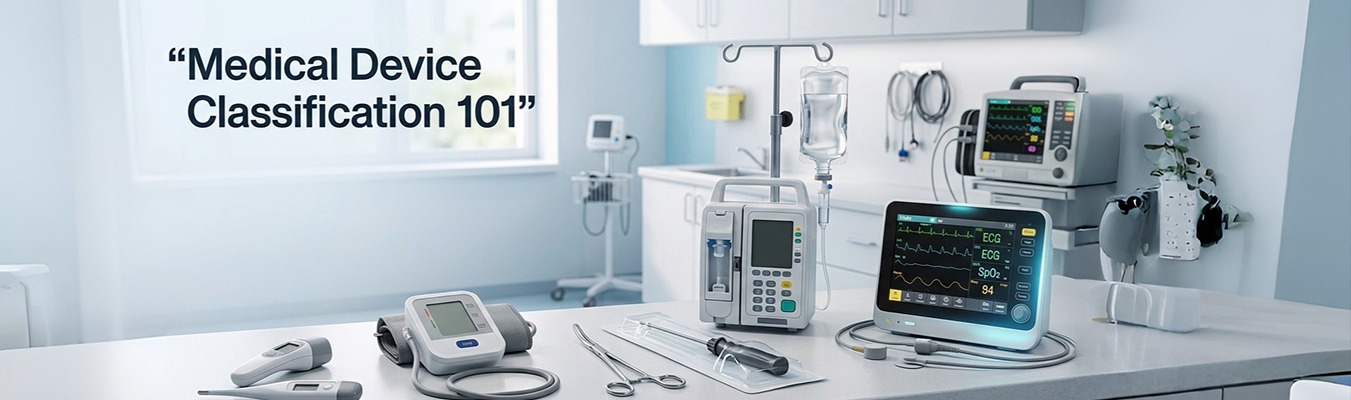
Introducing healthcare products into the market goes beyond having a groundbreaking formula or producing quality devices. For a healthcare product, be it a pharmaceutical product or a medical device, obtaining regulatory approval is among the major milestones towards compliance, safety and success in the business.
Many producers, importers and healthcare organizations tend to think that there is no much difference between drug registration and medical device registration. However, despite being aimed at protecting public health, the two have a number of variations in documentation, regulations, product classification, testing and post-marketing.
In case you want to introduce healthcare products into the market, knowledge of this information will help you save time and avoid unnecessary compliance problems.
Drug Registration vs. Medical Device Registration: What’s the Difference?
Even though both procedures are governed by the health bodies, they deal with different products and have varying criteria for evaluation.
The process of Drug Registration involves products meant for the diagnosis, treatment, and prevention or curing of illnesses, utilizing either chemical, biological or pharmacological processes.
On the other hand, Medical Device Registration covers instruments, equipment, implants, diagnostic apparatus, software and any other products whose primary functionality is through physical/mechanical processes, as opposed to pharmacological processes.
In simpler terms, the regulatory body evaluates medicines on the basis of their effectiveness whereas medical devices are evaluated on the basis of their performance and functionality.
Why Regulatory Registration Matters
Regulatory approval is not merely an obligation imposed by law. It enhances the confidence of healthcare providers, distributors, hospitals, and patients. Correct registration assists companies to:
- Conform to local and international regulations
- Limit the chances of product recall and regulatory action
- Favor market acceptance
- Safeguard patients
- Simplify import, export, and commercialization
The firms which comprehend regulatory needs at the onset of product development encounter less problems when entering into the market.
Drug Registration Process
Drug registration is a thorough scientific assessment of the drug before its marketing. This process normally includes:
- Product Documentation: The regulatory agencies demand complete information regarding:
- The active pharmaceutical ingredients (API)
- Process of manufacturing the drug
- Formulation of the product
- Similarity study
- Package specification
- Labeling information
Each document must prove to be consistent, quality and regulated.
- Quality and Manufacturing Compliance: Manufacturers are expected to comply with Good Manufacturing Practices (GMP). Regulators evaluate production facilities, quality management systems, and manufacturing controls to ensure every batch meets the required standards.
- Safety and Efficacy Evaluation: As opposed to medical devices, the drug needs extensive analysis of evidence that shows that the drug is both safe and effective in its use. There can be need for:
- Data from clinical trials
- Bioequivalence studies
- Toxicology reports
- Pharmacovigilance programs
The scientific analysis is usually extensive due to the nature of drugs; they affect biological processes in the body.
Medical Device Registration Process
Medical devices have a distinct regulatory process since their mode of action is different from that of medicinal products.
The evaluation does not emphasize pharmacological action but rather concentrates on performance, design, engineering, and risk management.
Device Classification
Among the most significant distinctions is the fact that medical devices are classified by the risks involved. The classifications used include:
- Low-risk devices
- Moderate-risk devices
- High-risk devices
In case the risk is high, there will be more rigorous regulations involved. For instance, regulatory documentation for surgical gloves is not as extensive as for cardiac devices.
- Technical Documentation: Technical files for medical device registration generally consist of:
- Description of the device
- Its purpose
- Technical details
- Reports on risk management
- Reports on clinical evaluation
- Testing results
- Biocompatibility information (if relevant)
This proves that the device operates safely as intended.
- Quality Management Systems: It is expected that most medical device companies should always have an adequate quality management system, such as ISO 13485, in addition to the relevant regulations. This ensures consistent manufacturing and continual quality improvement.
Key Regulatory Differences b/w Drug Registration & Medical Device Registration
Although the aim may be the same (health protection), the method used to achieve this goal varies greatly. Being aware of these differences will help businesses get the right documents ready in advance.
| Drug Registration | Medical Device Registration |
|---|---|
| Based on pharmacological action | Based on physical or mechanical action |
| Focuses on safety, efficacy, and quality | Focuses on safety, performance, and risk |
| Extensive clinical data often required | Clinical evaluation depends on device classification |
| Requires pharmaceutical manufacturing compliance | Requires medical device quality management systems |
| Product approval follows pharmaceutical regulations | Product approval follows medical device regulations |
| Pharmacovigilance is a major requirement | Post-market surveillance focuses on device performance and safety |
Common Challenges Businesses Face
Regardless of whether the product is a pharmaceutical or device, companies usually face comparable problems. Here are some of the most typical ones:
- Insufficient regulatory documentation
- Wrong product categorization
- Lack of technical file
- Labeling problems
- Slow response of the regulator
- Changing national requirements
All these may lead to the increase of approval duration and costs. Engagement of professional regulators may help to foresee problems.
Choosing the Right Regulatory Strategy
Each nation has its own set of regulations, submission guidelines, and documentations. What might work for one nation could fail to conform to the regulations of the other. Some of the factors to be considered before commencing the submission process are:
- Regulations of the target nation
- Classification of the product
- International Standards applicable
- Tests and certifications required
- Timelines for submission
- Post-submission compliance issues
How Regulatory Experts Can Simplify the Process
Regulations continue to change as technologies in the healthcare sector progress. Adapting to new regulations and compiling all documents can be difficult, particularly for businesses venturing into a new market. A skilled regulatory consultant will help a company:
- Ascertain the right registration path
- Prepare compliant documentation
- Review technical documents
- Communicate with regulatory authorities
- Submit documents for approval
- Gain compliance following product registration
With professional assistance, businesses can concentrate on developing innovations and minimizing regulatory risks.
Final Thoughts
Proper registration of medicines and medical devices goes beyond simply providing the necessary documentation. Different routes will need to be followed when registering these different types of products and thus understanding the different routes is key in making the entire registration process easy.
If you would like to introduce a pharmaceutical product and/or a medical device into the market, it is important for you to have the right regulatory strategy.
At Pharma Wizard, we offer consultancy services to pharmaceuticals, biotechnology and medical devices firms in the registration of their products. We work closely with our clients in order to ensure proper registration. If you require any assistance in the registration of any medicine and/or medical devices, contact us.
Frequently Asked Questions (FAQs)
What is the primary distinction between drug registration and medical device registration?
The assessment of drugs entails consideration of safety, efficacy, and quality of the product, whereas medical devices’ assessment entails evaluation of performance, safety, risk categorization, and technical compliance.
Are clinical trials required for both drugs and medical devices?
Usually, drug registration requires complete clinical evidence. The clinical evaluation requirements for medical devices vary depending on the risk class of the device.
How long does the registration process usually take?
The timeline varies depending on the country, product complexity, regulatory authority, and completeness of the submission. Proper documentation can significantly reduce approval delays.
Why is product classification important for medical devices?
The classification of medical devices helps to establish the level of scrutiny, testing and approval process. Miscalculation of the medical device classification can cause delays or denial of approval.
How can regulatory consultants help with product registration?
Regulatory consultants help to classify products, prepare necessary documentation, make regulatory submissions, conduct regulatory compliance evaluations, communicate with health regulators, and provide post-market regulatory services.