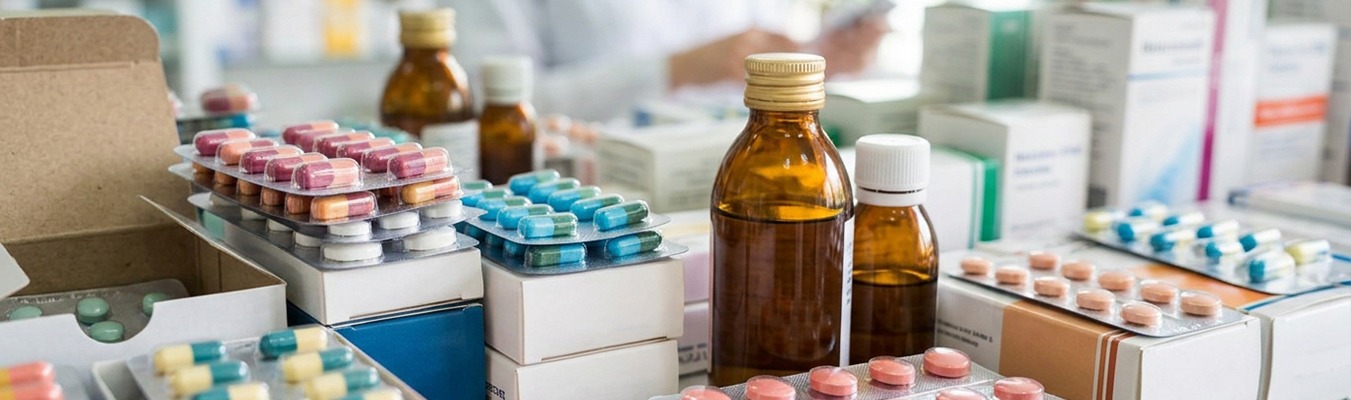
Ever grabbed a pharmaceutical product and noticed a typo, unclear instruction, or a misaligned barcode? In pharma, such errors aren’t just annoying —they can put patients at risk and trigger costly recalls. Pharmaceutical packaging proof checks are your secret weapon, ensuring every label is accurate, compliant, and production-ready. From tiny font details to regulatory warnings, proofing protects patients, strengthens brands, and keeps your products market-ready. These proof checks are your first line of defense against pharma labeling errors.
Why Packaging Proof Checks Are Critical in Pharma
Label accuracy in pharma is more than a regulatory requirement —it’s a safety imperative. Even small mistakes on dosage instructions, ingredient lists, or warnings can have serious consequences. By performing thorough pharmaceutical label compliance checks, companies can,
- Prevent patient misuse and dosing errors
- Avoid costly recalls and regulatory penalties
- Maintain trust and credibility with healthcare providers and consumers
- Ensure correct barcodes for supply chain efficiency
- Uphold consistent branding and professional presentation
- Minimize production delays due to last-minute corrections
Key Steps in an Effective Packaging Verification Process
A structured packaging proof checking process ensures every detail is accurate, compliant, and ready for production. By following systematic steps, companies can catch errors early, maintain regulatory compliance, and protect patient safety while keeping brand consistency and operational efficiency intact.
1. Artwork Comparison
Carefully compare label designs with approved templates to detect layout shifts, missing elements, font inconsistencies, or alignment issues. This step ensures the packaging design is visually correct, readable, and aligned with brand guidelines.
2. Content Verification
Review every piece of text meticulously, including dosage instructions, warnings, ingredients, and other product information. Correct content ensures patient safety, prevents legal issues, and maintains the credibility of the pharmaceutical product.
3. Barcode Validation
Scan and test all barcodes for correct encoding, size, and scannability. Proper barcode validation ensures smooth supply chain management, prevents point-of-sale errors, and supports regulatory and retail compliance requirements.
4. Color and Print Quality Check
Inspect colors, print sharpness, and overall label clarity to ensure labels are visually consistent, legible, and meet brand and regulatory standards, even under different lighting and production conditions.
5. Regulatory Review
Confirm that labels include all mandatory statements, symbols, and warnings in accordance with local and international pharmaceutical regulations. This step avoids compliance issues, fines, and product recalls.
6. Final Approval Workflow
Route packaging proofs through stakeholders for sign-off, ensuring accountability. Maintaining a documented approval trail provides audit readiness, prevents miscommunication, and ensures that production only begins after complete verification.
How Technology Enhances Proof Checks
Modern pharmaceutical packaging proof checks use digital tools to improve efficiency, accuracy, and compliance. Key benefits include:
- Automated Artwork Comparison: Quickly detects design inconsistencies and layout errors.
- Barcode Scanners: Ensure correct encoding and scannability for supply chain reliability.
- Color Management Systems: Maintain brand color fidelity and print quality.
- Real-Time Collaboration: Speeds approvals and reduces human errors.
- Audit-Ready Records: Simplify regulatory inspections and maintain compliance.
Benefits of Reliable Packaging Proof Checks
Implementing robust pharmaceutical packaging proof checks offers numerous advantages.
- Minimizes risks and penalties: Minimizes the risk of costly recalls, regulatory fines, and legal issues.
- Improves patient safety: Ensures patient safety with accurate dosage instructions, warnings, and ingredient details.
- Builds brand trust: Strengthens brand credibility and consumer trust through consistent, professional labeling.
- Boosts operational efficiency: Improves operational efficiency by reducing production delays and last-minute corrections.
- Ensures regulatory compliance: Guarantees compliance with local and international pharma regulations.
- Enhances supply chain reliability: Enhances supply chain reliability through verified barcodes.
- Supports audit readiness: Supports audit readiness and documentation for inspections.
Reliable proofing bridges design, production, and compliance for safe, market-ready products.
Wrapping It Up: Why Proof Checks Matter
Labels in pharma aren’t just for looks—they guide safe use and protect your brand. Packaging proof checks catch mistakes before they reach patients, ensuring accuracy, compliance, and reliability. By adopting thorough proofing processes and leveraging smart digital tools, companies prevent errors, save time, and build trust. Prioritize proof checks, and your products won’t just meet regulations—they’ll give healthcare professionals and patients confidence every step of the way.
FAQs: Frequently Asked Questions About Packaging Proof Checks
What is a packaging proof check?
It’s a systematic review of pharmaceutical labels and packaging to ensure artwork, text, barcodes, and regulatory statements are accurate, compliant, and ready for production.
Why is label accuracy so important?
Accurate labels prevent patient misuse, reduce recalls, and maintain brand trust in the highly regulated pharmaceutical industry.
How often packaging proofs should be checked?
Proofs should be reviewed at every design stage, before production, and whenever regulatory or artwork updates occur.
What tools help in digital proof checking?
Artwork comparison software, barcode scanners, color management systems, and collaborative platforms streamline proofing and maintain audit-ready compliance records.
\
What industries benefit most from packaging proof checks?
Pharmaceuticals, medical devices, food and beverages, cosmetics, and consumer goods benefit by ensuring label accuracy and regulatory compliance.