Medical documentation plays a critical role in modern healthcare systems. Physicians, hospitals, and clinics rely on accurate records for patient treatment, legal compliance, and insurance processing. Medical transcription services help convert physicians’ voice recordings into structured written medical documents, improving documentation accuracy and workflow efficiency in healthcare organizations.
With the rapid growth of telemedicine, electronic health records, and digital healthcare systems, the demand for professional medical transcription outsourcing and clinical transcription services continues to rise globally.
High-Volume Keywords Used in This Article
- Medical Transcription Services
- Medical Transcription Outsourcing
- Clinical Transcription Services
- HIPAA Compliant Medical Transcription
- Medical Transcription for Clinics
- Voice-to-Text Medical Transcription
- Medical Transcription for Hospitals
- Healthcare Transcription Services
- Medical Dictation Transcription
- Electronic Health Records Transcription
What Are Medical Transcription Services?
Medical transcription services involve converting voice recordings from healthcare professionals into written reports or electronic medical records. Doctors often dictate notes after patient consultations, surgeries, or medical procedures. These recordings are then transcribed into documents such as:
- Patient history and physical reports
- Clinical notes
- Surgical reports
- Discharge summaries
- Radiology reports
- Consultation notes
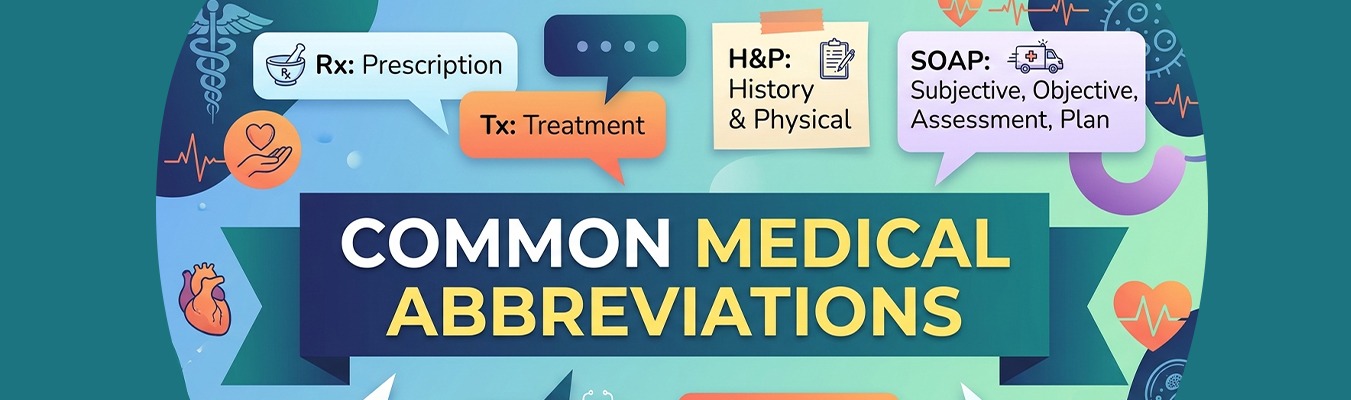
Professional transcriptionists ensure that medical terminology, abbreviations, and clinical data are accurately documented. These documents are often integrated into Electronic Health Records (EHR) systems used by hospitals and clinics.
How Medical Transcription Works
The medical transcription process involves several key steps to ensure accuracy and compliance.
1. Voice Dictation
Healthcare professionals record patient notes using digital recorders, mobile apps, or speech recognition software.
2. Audio Processing
The audio files are securely transferred to transcription platforms where trained professionals or AI-assisted tools begin the transcription process.
3. Transcription and Editing
Medical transcriptionists convert the audio recordings into written text while ensuring proper formatting and accurate medical terminology.
4. Quality Review
Editors review the document to verify grammar, clinical accuracy, and compliance with healthcare documentation standards.
5. EHR Integration
The final document is uploaded to the hospital’s Electronic Health Record (EHR) system for future reference and patient care management.
Benefits of Medical Transcription Services
1. Improved Documentation Accuracy
Professional healthcare transcription services ensure accurate documentation of patient records, reducing the risk of medical errors.
2. Increased Physician Productivity
Doctors can focus on patient care while transcription specialists handle documentation tasks.
3. Faster Medical Record Management
Voice-to-text medical transcription and AI-assisted tools enable faster turnaround times for clinical documentation.
4. Cost Savings
Many healthcare organizations use medical transcription outsourcing to reduce administrative costs and improve efficiency.
5. Data Security and Compliance
Reliable providers offer HIPAA compliant medical transcription, ensuring patient information remains confidential and secure.
Types of Medical Transcription Services
Healthcare organizations use different types of transcription services depending on their needs.
Clinical Transcription Services
These include patient reports, treatment summaries, and consultation documentation used by hospitals and clinics.
Radiology Transcription
Specialized transcription for imaging reports such as MRI, CT scans, and X-rays.
Operative Report Transcription
Detailed documentation of surgical procedures performed in hospitals.
Discharge Summary Transcription
Reports that summarize patient treatment and instructions after hospital discharge.
Technology Transforming Medical Transcription
The medical transcription industry is evolving rapidly with new technologies.
AI and Speech Recognition
Modern voice-to-text medical transcription tools use artificial intelligence to convert speech into text more efficiently.
Cloud-Based Platforms
Many transcription providers now offer secure cloud systems that allow healthcare providers to upload dictations and receive completed reports quickly.
Integration with EHR Systems
Transcription software can directly integrate with Electronic Health Records, improving workflow and reducing manual data entry.
AI-assisted platforms now handle a large portion of transcription tasks globally while human editors ensure accuracy and quality control.
Why Healthcare Providers Use Medical Transcription Outsourcing
Healthcare providers increasingly rely on medical transcription outsourcing for several reasons:
- Lower operational costs
- Access to experienced transcription professionals
- Faster turnaround times
- Scalable services during high patient volumes
- Improved documentation accuracy
Outsourcing also allows hospitals and clinics to focus more on patient care while maintaining efficient medical documentation systems.
Conclusion
Medical documentation is essential for delivering safe and efficient healthcare services. Medical transcription services play a vital role in transforming doctors’ voice dictations into accurate medical records that support patient care, compliance, and healthcare management.
With advancements in voice-to-text medical transcription, AI technologies, and cloud-based documentation systems, transcription services are becoming faster, more secure, and more integrated with digital healthcare platforms. Healthcare providers that adopt professional healthcare transcription services can improve operational efficiency while maintaining accurate patient records.
FAQs
1. What are medical transcription services?
Medical transcription services convert doctors’ voice recordings into written medical documents such as patient reports, consultation notes, and surgical summaries.
2. Who uses medical transcription services?
Hospitals, clinics, physicians, telemedicine providers, and healthcare organizations use medical transcription for hospitals and clinics to maintain accurate medical records.
3. What is HIPAA compliant medical transcription?
HIPAA compliant medical transcription ensures patient data security and confidentiality by following strict healthcare data protection regulations.
4. Is AI replacing medical transcriptionists?
AI and voice-to-text medical transcription tools assist the transcription process, but human editors are still required to ensure accuracy and correct medical terminology.
5. Why do healthcare providers outsource medical transcription?
Healthcare organizations choose medical transcription outsourcing to reduce administrative workload, improve documentation efficiency, and ensure accurate clinical records.