Imagine spending ten years and hundreds of millions of dollars developing a breakthrough medicine — only to watch its launch slip by months because a single submission was incomplete, a label didn’t meet local language rules, or a country’s requirements changed overnight. In the life sciences, science opens the door, but regulatory affairs decides whether you walk through it.
Today, more pharmaceutical, biotech and medical device companies are turning to a powerful solution: regulatory affairs outsourcing. Once seen as a back-office cost-saving tactic, it has become a strategic lever for reaching patients faster, entering new markets with confidence and staying compliant in a world where the rules never stand still.
What is regulatory affairs outsourcing?
Regulatory affairs outsourcing means partnering with an external team of specialists to manage some or all of a company’s regulatory activities. These experts handle the strategy, documentation, submissions and ongoing compliance needed to bring a product to market and keep it there.
Some companies outsource a single task, such as preparing a dossier for one country. Others hand over entire functions, from early development advice to post-approval lifecycle management. The model is flexible: you choose the level of support that fits your pipeline, budget and ambitions.
Why demand is growing worldwide
The numbers tell a compelling story. Industry analysts estimate the global regulatory affairs outsourcing market at roughly USD 7–9 billion in 2025, with forecasts suggesting it could approach or exceed double that size within the next decade. Several forces are driving this growth:
- Rising regulatory complexity: Agencies such as the US FDA, the European Medicines Agency, the UK MHRA, Japan’s PMDA, China’s NMPA and health authorities across the Gulf, Africa and Latin America each have their own processes, timelines and documentation standards. Keeping up with them all in-house is a monumental task.
- Global market expansion: Companies no longer launch in one country and wait. They pursue multiple regions at once, each with its own language, labelling and registration requirements.
- The rise of small and mid-sized innovators: Many emerging biotech and medtech companies have world-class science but lean teams. Outsourcing gives them access to senior regulatory expertise without building a large internal department.
- Pressure to launch faster: Being first to market can define a product’s commercial success. Experienced regulatory partners help avoid delays, deficiency letters and costly resubmissions.
- Digital transformation: Electronic submissions, structured data standards and AI-assisted document review are reshaping how regulatory work is done, and specialist providers often invest in these tools before individual companies can.
The game-changing benefits
1. Instant access to global expertise
A strong regulatory partner brings specialists who have worked with agencies across continents. They know what reviewers expect, which questions are likely to arise and how to avoid common pitfalls. That kind of knowledge takes years to build internally.
2. Faster time to market
Well-prepared submissions move through review more smoothly. By planning regulatory strategy early and getting documents right the first time, companies can shorten approval timelines and start generating revenue sooner.
3. Cost efficiency and flexibility
Hiring, training and retaining a full in-house regulatory team is expensive, especially when workloads rise and fall with the pipeline. Outsourcing turns a fixed cost into a flexible one: scale up during major submissions, scale down when things are quiet.
4. Focus on what you do best
When regulatory tasks are handled by experts, internal teams can concentrate on research, innovation, manufacturing and commercial growth.
5. Reduced compliance risk
Regulations evolve constantly. Dedicated regulatory professionals monitor these changes and help companies adapt before they become problems, reducing the risk of rejections, warning letters, recalls or market withdrawals.
6. Local presence without local offices
Many countries require a local authorised representative or marketing authorisation holder. Regulatory partners can often provide in-country representation, allowing companies to enter new markets without setting up physical offices.
Services companies commonly outsource
- Regulatory strategy and consulting: planning the fastest, most effective route to approval
- Regulatory writing: preparing clinical, nonclinical and quality documentation
- Dossier compilation and publishing: assembling submissions in formats such as eCTD
- Product registration: managing marketing authorisation applications across countries
- Clinical trial applications: securing approval to run studies
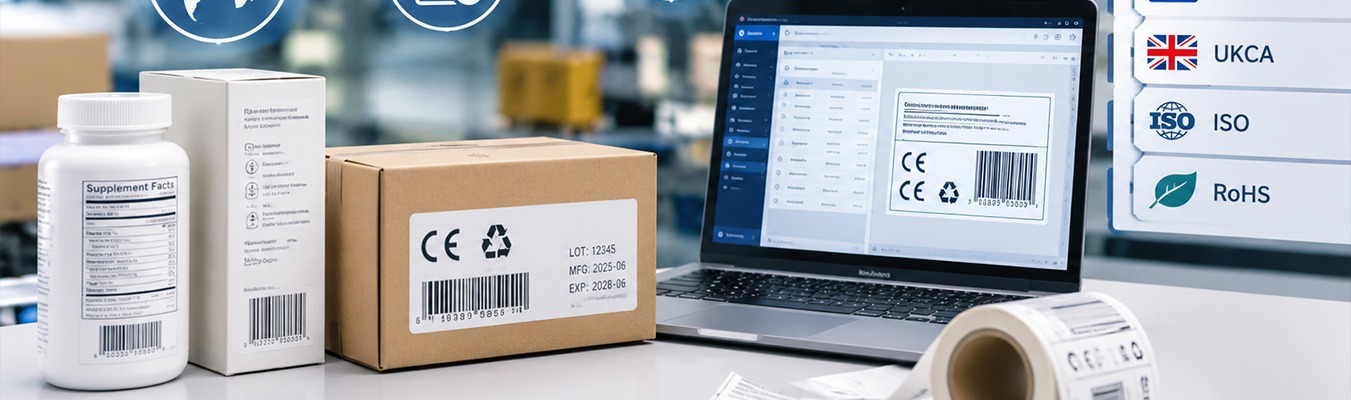
- Labelling and artwork compliance: ensuring packaging and leaflets meet local rules
- Lifecycle management: handling variations, renewals and post-approval changes
- Pharmacovigilance support: monitoring and reporting product safety
- Regulatory intelligence: tracking new laws and guidance worldwide
- Agency interactions: preparing for and supporting meetings with health authorities
Challenges to keep in mind
Outsourcing is powerful, but it works best when approached carefully:
- Data security: regulatory files contain sensitive intellectual property and clinical data, so strong confidentiality and cybersecurity measures are essential.
- Communication gaps: time zones and unclear responsibilities can slow progress without a clear governance structure.
- Loss of internal knowledge: companies should keep enough in-house oversight to understand and own their regulatory decisions.
- Quality consistency: not all providers deliver the same standard, so due diligence matters.
How to choose the right regulatory partner
- Proven track record: with the agencies and product types you need
- Global reach: with local insight into the specific markets you plan to enter
- Therapeutic and technical expertise: in your product category, whether small molecules, biologics, generics, medical devices or combination products
- Transparent communication: with clear timelines, reporting and points of contact
- Robust quality and data protection systems
- Scalable support: that can grow with your portfolio
- A partnership mindset: not just task delivery
The future of regulatory affairs outsourcing
The next chapter is already being written. Artificial intelligence is speeding up document drafting, literature review and regulatory intelligence. Structured, data-driven submissions are replacing static documents. Emerging markets across Asia, the Middle East, Africa and Latin America are opening new opportunities, each with its own pathways. Meanwhile, advanced therapies such as cell and gene treatments are pushing regulators to create entirely new frameworks.
In this fast-moving environment, the most successful companies will be those that combine strong science with agile, expert regulatory support and outsourcing is becoming the bridge between the two.
Conclusion
Regulatory affairs is no longer just a final checkpoint before launch; it is a strategic engine that shapes how quickly and successfully life-changing products reach patients around the world. Outsourcing this function gives companies access to global expertise, greater flexibility, lower risk and faster market entry, while freeing internal teams to focus on innovation.
For companies ready to turn regulatory complexity into a competitive advantage, Pharma Wizard Consultancy offers the expertise, global perspective and dedicated support to guide your products from development to approval and beyond. Partner with Pharma Wizard Consultancy and take your next step toward global market success with confidence.