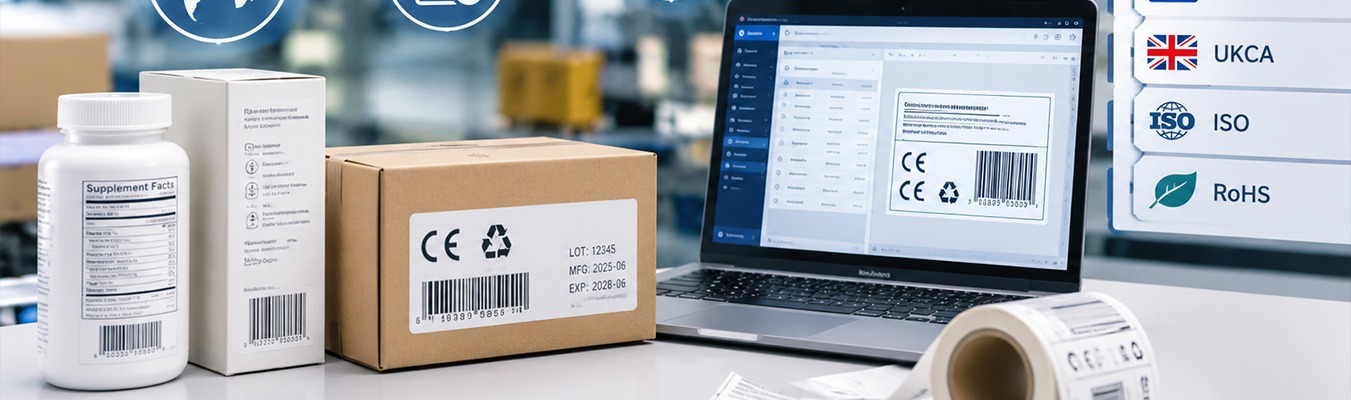
Pharmaceutical regulation is moving quickly, and companies cannot afford to treat compliance as a once-a-year exercise. New technologies, evolving safety expectations, changing market requirements, and tighter oversight continue to shape how pharmaceutical businesses develop, register, manufacture, market, and monitor their products.
For companies operating across multiple markets, staying current with pharmaceutical regulatory compliance in 2026 means looking beyond individual rules. Businesses need a practical compliance strategy that keeps regulatory requirements connected to product development, quality systems, documentation, and commercial plans.
Here are some of the key areas companies should keep on their radar.
Regulatory Requirements are Becoming more Dynamic
Regulatory authorities continue to update guidance and expectations as the pharmaceutical industry evolves. Companies now need stronger processes for monitoring regulatory changes and assessing how they affect existing products and operations.
A regulatory update can influence everything from product labeling and safety information to manufacturing procedures and registration requirements. Instead of reacting after a change takes effect, companies can build regulatory intelligence into their compliance strategy.
Regular regulatory monitoring helps teams identify relevant changes early and decide what action they need to take.
Digital Transformation is Changing Compliance
Technology now plays a much larger role in pharmaceutical operations, and regulators continue to pay close attention to how companies use digital systems.
From electronic documentation and quality management systems to data analytics and artificial intelligence, digital tools can improve efficiency. They also create new compliance considerations around data integrity, cybersecurity, validation, access controls, and record management.
Companies using digital platforms should make sure their systems support reliable, traceable, and secure information. A technology upgrade should never create a gap between operational efficiency and regulatory expectations.
AI Brings New Regulatory Considerations
Artificial intelligence has moved from an emerging concept to a practical business tool across pharmaceutical research, manufacturing, quality, and commercial functions.
At the same time, companies must consider how AI-generated or AI-assisted outputs affect compliance. Businesses need appropriate oversight when using AI for activities that may influence regulated processes, documentation, decision-making, or product information.
This makes AI regulatory compliance an increasingly important area for pharmaceutical companies in 2026.
The key is not simply adopting new technology. Companies need clear governance, appropriate human oversight, documented processes, and risk-based controls around its use.
Data Integrity Remains a Major Priority
Accurate data sits at the heart of pharmaceutical compliance. Regulators expect companies to maintain records that remain complete, consistent, accurate, and traceable throughout the product lifecycle.
This applies to laboratory results, manufacturing records, quality documentation, safety information, electronic systems, and other regulated data.
A strong data integrity compliance program should cover how teams create, review, modify, store, and retain information. Companies should also regularly assess their systems and procedures for potential weaknesses rather than waiting for an inspection to expose them.
Global Expansion Requires Market-Specific Planning
A product that meets regulatory requirements in one market may require additional work before entering another. Registration pathways, labeling rules, documentation requirements, safety expectations, and post-market obligations can differ significantly between jurisdictions.
This makes global pharmaceutical regulatory compliance increasingly important for companies pursuing international growth.
Before entering a new market, businesses should assess the applicable regulatory framework, product classification, submission requirements, and ongoing obligations. Early planning can prevent avoidable delays and help companies build realistic launch timelines.
Post-Market Surveillance needs Continued Attention
Regulatory responsibility does not end when a product reaches the market. Companies must continue monitoring product safety, quality, complaints, adverse events, and other relevant information.
Effective pharmacovigilance and post-market surveillance processes help businesses identify potential safety signals and respond appropriately.
Companies should regularly review their reporting systems, responsibilities, documentation, and escalation procedures. Strong post-market processes also help organizations demonstrate that they take product safety seriously throughout the product lifecycle.
Regulatory Documentation Needs to Stay Current
Outdated documentation can create unnecessary compliance risks. As regulations, products, manufacturing processes, and market requirements change, companies should review relevant documents and update them when necessary.
This can include technical documentation, product information, standard operating procedures, quality records, regulatory submissions, safety documentation, and marketing claims.
A regular regulatory compliance assessment can help identify outdated information, missing documentation, inconsistent claims, and other gaps before they become bigger problems.
Quality and Compliance Teams Need to Work Together
Regulatory compliance does not sit within one department. Product development, quality assurance, manufacturing, medical affairs, safety, marketing, and regulatory teams all contribute to maintaining compliance.
Better communication between these functions can prevent situations where one team makes a change without understanding its regulatory impact.
For example, a seemingly simple product or labeling change could trigger additional regulatory requirements. Bringing regulatory professionals into important decisions early can help companies assess the implications before moving forward.
Compliance Should Become Part of Business Strategy
One of the biggest shifts for growing pharmaceutical companies involves treating compliance as a strategic business function rather than an administrative responsibility.
Regulatory decisions can affect launch dates, market expansion, product claims, development costs, manufacturing plans, and commercial opportunities. Companies that consider regulatory requirements early can make better-informed decisions and reduce unnecessary rework.
For this reason, regulatory strategy consulting can provide valuable support during product development, market entry, compliance reviews, and business expansion.
A Practical Approach to Staying Compliant in 2026
Keeping up with every regulatory development can feel overwhelming, particularly for smaller companies with limited internal resources. A practical approach starts with identifying the regulations and markets that directly affect the business.
Companies should then review their current compliance systems, identify gaps, prioritize higher-risk areas, and establish a process for monitoring future changes.
Working with an experienced pharmaceutical regulatory consultant can also give businesses access to specialist knowledge when they need it most.
Staying Ready for What Comes Next
Pharmaceutical regulatory compliance in 2026 requires more than checking boxes. Companies need to stay informed, maintain reliable data, strengthen documentation, monitor product safety, and understand how regulatory changes affect their wider business strategy.
A proactive approach can help organizations manage compliance with greater confidence while supporting product development and international growth.
At Pharma Wizard, regulatory expertise can help pharmaceutical and life sciences companies assess compliance requirements, identify gaps, strengthen regulatory strategies, and prepare for changing market expectations.