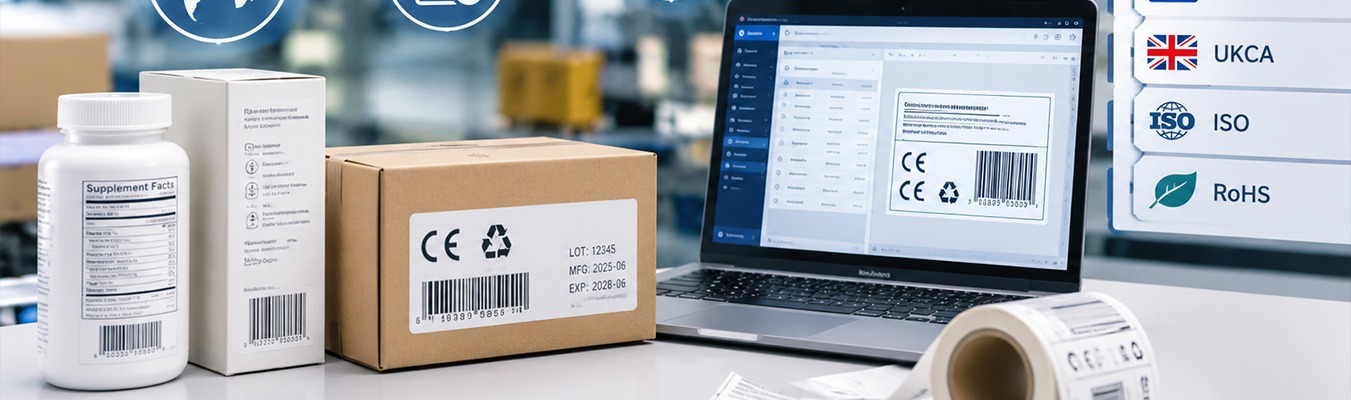
A great cosmetic product can have the perfect formula, beautiful packaging, and a strong marketing campaign; but none of that matters if it is not regulatorily ready for the market. Before a new cosmetic or skincare product reaches consumers, manufacturers need to answer an important question: Is the product actually compliant with the requirements of the market where it will be sold?
This is where cosmetic regulatory compliance becomes essential. From preparing a Product Information File (PIF) to reviewing marketing claims, completing a safety assessment, and handling market notification, each step contributes to a compliant product launch.
A well-organized regulatory process can also make future product updates, inspections, and market expansion considerably easier.
What Is a Product Information File (PIF)?
The Product Information File (PIF) is one of the key documents supporting cosmetic compliance in markets that require this type of technical file. It brings together the information needed to demonstrate that a cosmetic product meets applicable regulatory requirements.
A PIF generally contains important details about the finished product, including its formulation, manufacturing method, safety information, supporting evidence, and product claims.
Manufacturers and responsible persons should make sure the information is accurate, current, and readily available when required by the relevant authority. The PIF should not be treated as a document prepared once and forgotten. If the formulation, manufacturing process, packaging, safety information, or claims change, the file may also need to be reviewed and updated.
Review the Cosmetic Product Formula
Before moving toward market notification, the product formulation should be carefully reviewed against the requirements of the target market. This includes checking the ingredients, concentrations, restrictions, prohibited substances, colorants, preservatives, fragrances, and other relevant formulation requirements.
An ingredient permitted in one jurisdiction may have different restrictions in another. For companies selling internationally, this makes an early cosmetic regulatory assessment particularly valuable. A formulation review can identify potential compliance issues before they affect manufacturing, packaging, or market launch plans.
Claims Need Regulatory Attention Too
A cosmetic product’s claims can influence how regulators and consumers understand its intended purpose. Claims such as “hydrates,” “smooths,” “brightens,” or “improves the appearance of fine lines” may be appropriate when properly supported.
However, claims that suggest a product can diagnose, treat, prevent, or cure a disease may move the product into a different regulatory category in some markets. Manufacturers should therefore review claims before finalizing packaging, websites, advertisements, social media content, and other promotional materials.
A cosmetic claims assessment should consider both the wording and the evidence available to support it. The claim should accurately reflect what the product can reasonably deliver. This is particularly important when marketing teams create attractive claims that go beyond the technical evidence contained in the product file.
Complete a Proper Safety Assessment
Consumer safety sits at the heart of cosmetic regulation. A cosmetic safety assessment evaluates the product and its ingredients to determine whether it is safe for its intended use under reasonably foreseeable conditions.
The assessment may consider factors such as the formulation, ingredient characteristics, concentration, exposure, route of application, target users, product type, and potential risks associated with use.
The safety assessment should be prepared or reviewed by an appropriately qualified professional in accordance with the requirements of the target market.
Manufacturers should also make sure that the underlying information supporting the assessment is reliable and complete. Supplier documentation, ingredient specifications, toxicological information, and other relevant technical data may all contribute to the safety evaluation.
Check the Manufacturing Process
Cosmetic compliance does not end with the formula. Manufacturers should also review how the product is made. Good manufacturing practices help ensure that products are produced consistently and meet the required quality standards. Manufacturing documentation should reflect the actual production process, including controls over raw materials, production, packaging, storage, and quality checks.
Manufacturers should also maintain appropriate records that demonstrate consistency between the product described in the regulatory documentation and the product being manufactured.
Understand Market Notification Requirements
Many cosmetic markets require manufacturers or responsible persons to complete a cosmetic product notification before the product is placed on the market. The exact process depends on the jurisdiction. Some systems require electronic notification containing information about the responsible person, product category, ingredients, packaging, and other specified details.
Market notification should therefore be treated as a planned regulatory step rather than a last-minute administrative task. Companies should confirm which products require notification, who is responsible for submitting it, what information must be provided, and when notification needs to be completed.
Keep Packaging and Product Information Consistent
Packaging should receive a final regulatory review before production begins. The product name, ingredients, quantity, responsible person or manufacturer information, warnings, directions for use, shelf-life information, and other required details should comply with the rules of the target market.
The information should also remain consistent with the PIF, safety assessment, formulation, and notification information. A mismatch between the label and technical documentation can create avoidable compliance issues.
Plan for Changes After Launch
Cosmetic regulatory compliance continues after a product reaches the market. Manufacturers may change suppliers, ingredients, packaging, claims, manufacturing locations, or other aspects of the product over time. Each change should be assessed from a regulatory perspective before implementation. A formulation change, for example, may require an updated safety assessment and PIF review. A new marketing claim may also require additional supporting evidence. Companies should therefore establish a change-control process that connects product development, quality, regulatory, and marketing teams.
Build Compliance Into the Product Launch
A successful cosmetic launch begins long before the product appears on a retail shelf or website. The PIF, safety assessment, cosmetic claims, formulation, labeling, manufacturing controls, and market notification all need to work together as part of one regulatory process.
Taking the time to review these elements early can help manufacturers identify gaps, avoid costly packaging changes, and reduce the risk of regulatory complications after launch.
For businesses entering new markets or developing a new cosmetic range, a structured cosmetic regulatory compliance strategy provides a practical foundation for bringing products to consumers with the appropriate technical and regulatory support.