Breaking into the medical device market is an exciting opportunity, but conquering the regulatory process is where real success begins. A clear, well-planned roadmap turns a complex journey into a manageable path to approval. From FDA 510(k) and PMA to CE Marking under EU MDR, understanding every stage accelerates approvals, reduces costly risks, and ensures global compliance. This easy-to-follow guide walks you through each critical step, helping medical device companies achieve faster approvals and confidently bring innovative products from concept to market.
Step 1: Determining Device Classification
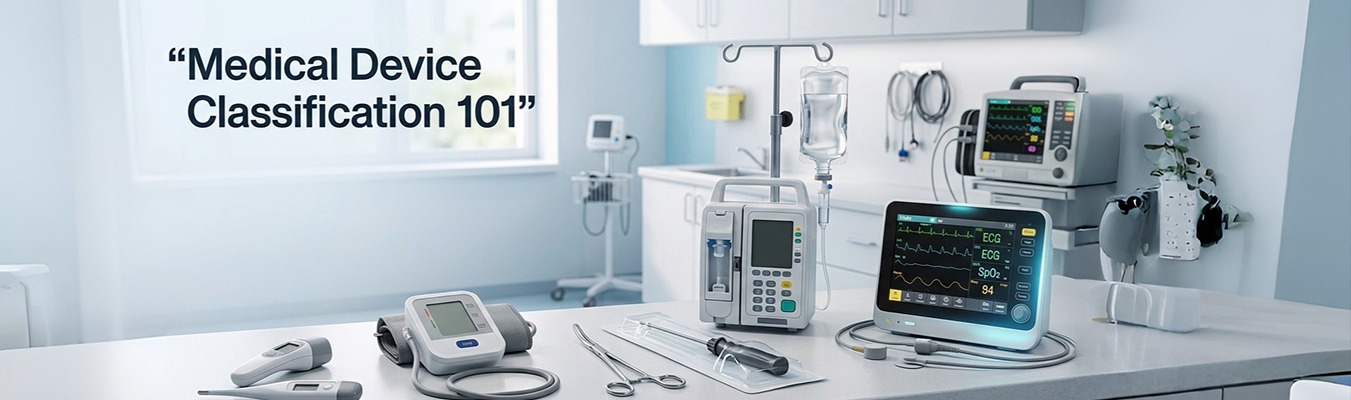
The first and most crucial step in a medical device regulatory submission is identifying the correct risk classification. In the U.S., devices are classified as Class I, II, or III, while the EU MDR follows a similar tiered system. This classification defines the required testing, technical documentation, and approval pathway. Correct classification ensures regulatory compliance, speeds up FDA 510(k), PMA, or CE Mark approvals, and prevents costly delays. Partnering with regulatory experts can simplify this process and secure a smoother submission journey.
Step 2: Preparing Technical Documentation
Strong, well-structured technical documentation is the backbone of any successful medical device regulatory submission. It should include detailed product specifications, design records, clinical evaluation data, risk assessments, testing results, and clear labeling information. Organized, easy-to-follow files demonstrate compliance with safety and performance standards, giving regulators confidence in your device. High-quality documentation not only speeds up FDA 510(k) clearance or CE Mark approval but also strengthens your case for global market access and long-term regulatory compliance.
Step 3: Choosing the Right Regulatory Pathway
Every medical device needs a carefully planned approval route to reach the market. Options like FDA 510(k), PMA, De Novo, or CE Marking under EU MDR depend on your device type, risk class, and target market. Selecting the right regulatory pathway early helps avoid delays, reduce costs, and streamline global submissions. A smart, well-researched strategy ensures your medical device meets U.S. and international regulatory compliance standards, speeding up approvals and boosting market success.
Step 4: Submitting to Regulatory Authorities
With your technical documentation complete, the next move is submitting it to the right regulatory authority. This could be the FDA for 510(k) or PMA, EU Notified Bodies for CE Marking, or other global regulators. Clear, accurate applications and prompt follow-ups are critical for a smooth medical device regulatory submission. Staying organized speeds up reviews, reduces costly delays, and keeps your medical device approval and market launch on track for faster global compliance.
Step 5: Post-Market Surveillance and Compliance
Approval is only the starting line. After your medical device hits the market, continuous post-market surveillance is crucial to maintain regulatory compliance and patient safety. Activities such as adverse event reporting, routine audits, risk management updates, and performance tracking help identify issues early and prevent costly recalls. Strong post-market compliance not only protects patients but also boosts brand credibility, supports product improvements, and paves the way for global expansion and smoother future regulatory submissions.
Why a Strategic Roadmap Matters
A clear regulatory roadmap is your shortcut to faster medical device approvals and long-term compliance. Global medical device regulations keep changing, and a well-planned strategy helps you stay ahead, cut rejection risks, and avoid costly delays. By mapping each step—from device classification to post-market surveillance—you save time, reduce stress, and improve market success. Partnering with experienced regulatory experts ensures your medical device submissions meet FDA, CE Mark, and international standards with confidence and efficiency.
Quick Answers to Your Top Medical Device Regulatory Questions
What is the difference between FDA 510(k) and PMA?
The FDA 510(k) process clears a medical device by proving it is substantially equivalent to an already approved product, while PMA (Premarket Approval) demands more rigorous clinical evidence and testing to demonstrate safety and effectiveness for higher-risk medical devices.
How long does the CE Marking process take under EU MDR?
The CE Marking approval process for medical devices typically takes 6 to 12 months. Timelines depend on the device classification, quality of technical documentation, clinical data, and the speed of review by the designated Notified Body.
What documents are essential for a regulatory submission?
A strong regulatory submission requires detailed technical documentation, clinical evidence, product labeling, risk management reports, and quality system certificates. These documents prove that the medical device meets safety, performance, and international compliance standards for market approval.
Can the same submission be used globally?
No single regulatory submission works for every region because the FDA, EU MDR, and other global markets have unique requirements. However, harmonized technical data can be adapted to meet multiple international regulatory standards more efficiently.
Why is post-market surveillance required?
Post-market surveillance is crucial for tracking real-world performance, reporting adverse events, and managing risks after market launch. This ongoing monitoring ensures medical device safety, maintains regulatory compliance, and supports long-term global market success.
Hire the Experts for Your Fast-Track to Global Compliance
Regulatory submissions for medical devices don’t have to be stressful or confusing. With a smart roadmap, from device classification to post-market surveillance, you can secure faster FDA clearance, CE Mark approval, and international compliance. A clear strategy reduces risks, saves time, and sets your product up for worldwide success. Pharma Wizard specializes in simplifying medical device regulatory submissions, guiding you through every step to ensure smooth approvals and confident market entry across the U.S., Europe, and other key global markets.