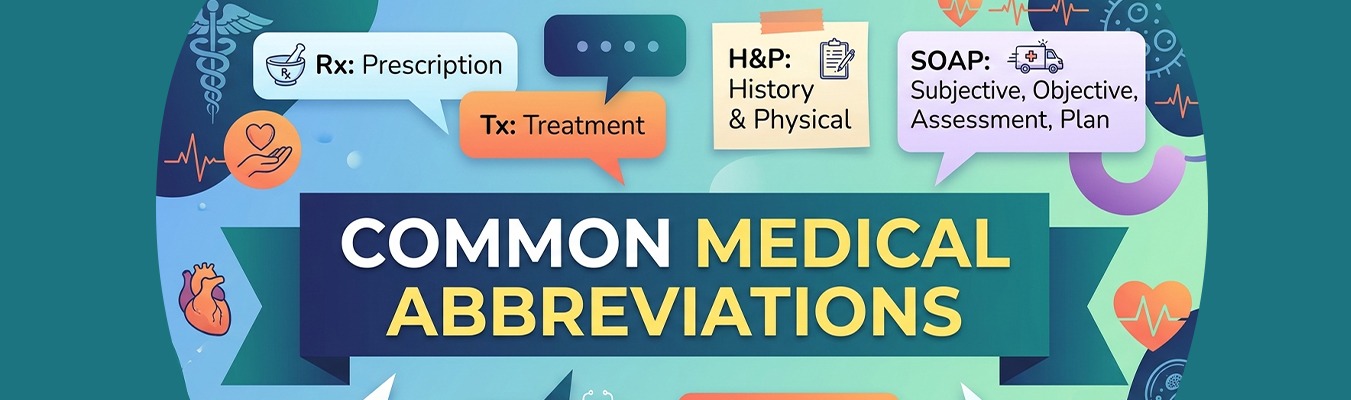
The pharmaceutical industry operates in one of the most highly regulated environments in the world. Every stage of drug development—from research and clinical trials to manufacturing and global distribution—must comply with complex regulatory frameworks. For multinational pharmaceutical companies, keeping track of changing regulations across multiple countries can be extremely challenging. This is where regulatory intelligence for pharma companies becomes essential.
Regulatory intelligence helps pharmaceutical organizations monitor, analyze, and respond to evolving global regulatory requirements. It allows companies to stay compliant, reduce risks, and accelerate the approval process for new medicines. As the pharmaceutical landscape continues to evolve, global pharma regulatory intelligence is becoming a strategic necessity rather than just a compliance function.
What is Regulatory Intelligence in the Pharmaceutical Industry?
Regulatory intelligence in pharma refers to the systematic collection, analysis, and interpretation of regulatory information from global health authorities such as the FDA, EMA, MHRA, and other regulatory bodies.
This information may include:
- Updates to pharmaceutical regulations
- Drug approval guidelines
- Clinical trial regulatory requirements
- Changes in drug safety policies
- Manufacturing and quality compliance standards
By analyzing this data, pharmaceutical companies can make informed decisions that align with global pharma compliance frameworks and regulatory expectations.
Why Regulatory Intelligence is Critical for Global Pharma Companies
Operating in international markets requires pharmaceutical companies to comply with different regulatory requirements in each region. Regulatory intelligence for global pharma companies helps organizations understand these differences and adapt their strategies accordingly.
Without a strong regulatory intelligence system, companies may face:
- Delays in drug approvals
- Regulatory penalties
- Product recalls
- Compliance violations
A well-structured pharmaceutical regulatory intelligence strategy helps organizations anticipate regulatory changes and prepare them in advance.
Supporting Faster Drug Approvals
One of the major benefits of regulatory intelligence is that it helps accelerate drug development and approval timelines. By understanding the latest regulatory requirements, pharmaceutical companies can design clinical trials and regulatory submissions that meet the expectations of authorities.
For example, global regulatory intelligence in pharmaceuticals allows companies to:
- Align clinical trial designs with updated regulatory standards
- Prepare accurate documentation for regulatory submissions
- Avoid costly delays caused by incomplete or incorrect submissions
This proactive approach improves approval of success rates and helps bring life-saving medicines to market faster.
Improving Compliance and Risk Management
Compliance is a major concern for pharmaceutical companies. Regulatory authorities regularly update safety, manufacturing, and reporting requirements.
Pharmaceutical regulatory intelligence enables organizations to monitor these updates and implement necessary changes before compliance issues arise. This helps reduce regulatory risks and maintain consistent adherence to global pharma compliance frameworks.
Companies that invest in regulatory intelligence systems are better prepared to handle regulatory inspections, audits, and policy changes.
Enhancing Strategic Decision-Making
Regulatory intelligence is not only about compliance—it also supports strategic planning. By analyzing regulatory trends, pharmaceutical companies can identify new market opportunities and plan product launches more effectively.
For example, regulatory intelligence can help companies
- Identify emerging markets with favorable regulatory policies
- Understand regional drug approval pathways
- Plan global expansion strategies
- Optimize product lifecycle management
This information allows pharmaceutical companies to make informed decisions that support long-term growth.
Role of Technology in Regulatory Intelligence
Modern regulatory intelligence systems rely heavily on digital tools and data analytics. Advanced platforms collect regulatory data from multiple sources and provide real-time updates on regulatory changes worldwide.
Technologies such as artificial intelligence and data automation are transforming how pharmaceutical companies manage regulatory information. These tools help analyze large volumes of regulatory data and provide actionable insights that improve compliance and decision-making.
Digital regulatory intelligence platforms are now essential for managing complex regulatory environments across multiple countries.
The Future of Regulatory Intelligence in Pharma
The importance of regulatory intelligence will continue to grow as pharmaceutical regulations become more complex. Emerging technologies, evolving clinical trial models, and new global health policies will require pharmaceutical companies to remain highly adaptable.
Organizations that invest in advanced regulatory intelligence strategies will be better equipped to navigate regulatory changes, reduce risks, and accelerate innovation.
In the future, regulatory intelligence will play a key role in supporting global collaboration between pharmaceutical companies, regulatory authorities, and healthcare organizations.
Conclusion
In the modern pharmaceutical landscape, regulatory intelligence has become a critical component of global pharmaceutical operations. It enables companies to stay informed about regulatory updates, maintain compliance, and accelerate drug approvals.
By leveraging regulatory intelligence for global pharma companies, organizations can improve efficiency, reduce compliance risks, and make strategic decisions that support innovation and global market expansion.
Companies looking to strengthen their regulatory capabilities and stay ahead of evolving regulatory frameworks can benefit from expert regulatory consulting and intelligence solutions provided by pharma wizard, a platform dedicated to supporting pharmaceutical regulatory compliance and strategic intelligence.
FAQs
1. What is regulatory intelligence in the pharmaceutical industry?
Regulatory intelligence in pharma refers to collecting and analyzing regulatory information from global authorities to ensure compliance and support strategic decision-making.
2. Why is regulatory intelligence important for pharma companies?
It helps pharmaceutical companies stay updated with changing regulations, avoid compliance issues, and accelerate drug approval processes.
3. How does regulatory intelligence support drug approval?
By understanding regulatory requirements early, companies can design compliant clinical trials and submit accurate regulatory documentation.
4. What tools are used for regulatory intelligence?
Modern regulatory intelligence systems use digital databases, AI analytics, regulatory monitoring tools, and automated compliance platforms.
5. How can companies improve regulatory intelligence strategies?
Companies can invest in regulatory monitoring systems, build expert compliance teams, and partner with regulatory consulting platforms like pharma wizard to stay updated on global regulatory trends.